
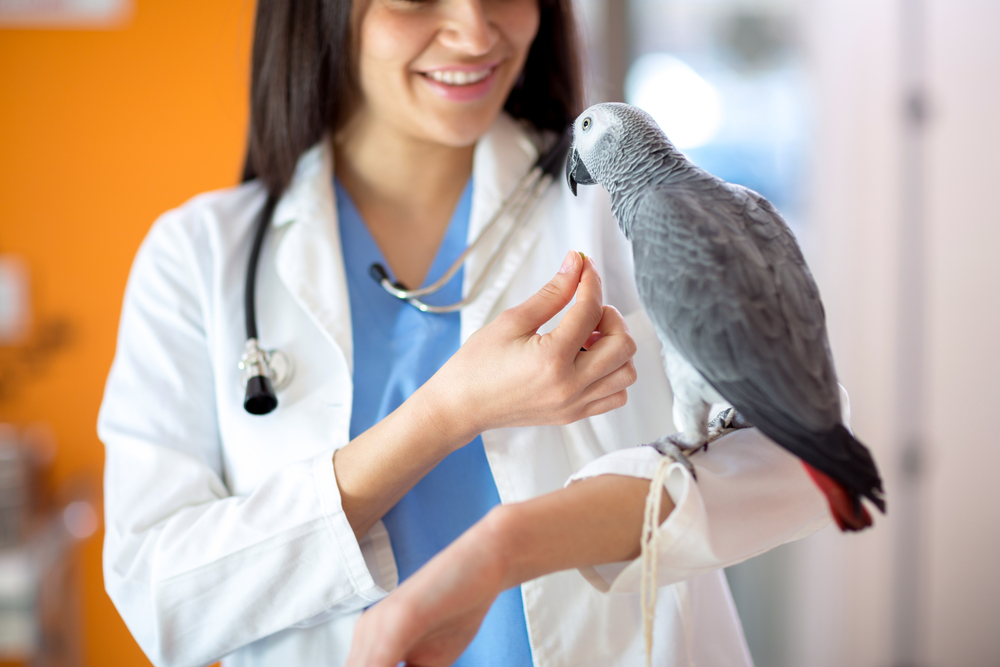
Birds are intelligent, social, and often very good at hiding illness. In the wild, showing weakness can make them vulnerable, so pet birds may mask symptoms until a health issue becomes more serious. At Mokena Animal Clinic, we provide bird vet care in Mokena, IL to help feathered pets stay healthy, comfortable, and closely monitored when something seems off.
Why Birds Need Specialized Veterinary Attention
Birds have unique anatomy, diets, behaviors, and health risks that differ from cats and dogs. Even small changes in appetite, droppings, breathing, or feather condition can point to an underlying concern. Regular avian veterinary care allows us to evaluate your bird’s overall health, discuss proper nutrition, and identify problems before they become urgent.
Changes In Appetite Or Drinking Habits
A bird that suddenly eats less, refuses favorite foods, drops food, or drinks much more or less than usual should be evaluated. Weight loss can happen quickly in birds, and it may not always be obvious under their feathers. If your bird seems less interested in food, struggles to eat, or appears thinner around the breastbone, it is time to schedule an exam.
Breathing Problems Or Unusual Sounds
Healthy birds should breathe quietly and comfortably. Open-mouth breathing, tail bobbing, wheezing, clicking sounds, or discharge around the nostrils can be signs of respiratory illness. Because breathing issues can become serious quickly, these symptoms should never be ignored.
Behavior Changes That May Signal Illness
You know your bird’s normal personality best. A bird that is usually talkative, active, or social may become quiet, withdrawn, or unusually sleepy when sick. Other warning signs can include:
- Sitting fluffed up for long periods
- Staying at the bottom of the cage
- Sleeping more than usual
- Acting weak or unsteady
- Showing sudden aggression or fearfulness
- Losing interest in toys, people, or normal routines
If these changes last more than a short time or appear suddenly, a bird vet visit can help determine what is going on.
Feather, Skin, And Beak Concerns
Feather plucking, bald patches, dull feathers, overgrown beaks, flaky skin, or swelling around the face or feet may point to nutritional issues, stress, parasites, infection, or other health concerns. While some feather changes can be related to molting, ongoing or severe changes should be checked by a veterinarian familiar with avian care.
Dropping Changes Are Important Clues
Bird droppings can reveal a lot about their health. Changes in color, consistency, frequency, or odor may be linked to diet, stress, infection, digestive problems, or organ concerns. If you notice diarrhea, very watery droppings, blood, or a sudden decrease in droppings, bring your bird in for an evaluation.
When To Schedule A Bird Vet Visit
If your bird seems “not quite right,” it is better to be cautious. Early care can make a major difference, especially because birds often hide symptoms until they are already feeling very unwell. We can examine your bird, review their diet and environment, and recommend next steps based on their specific needs.
For compassionate bird vet care in Mokena, IL, contact Mokena Animal Clinic at 9455 W. 191st Street, Mokena, IL 60448 by calling 708-479-2811.

